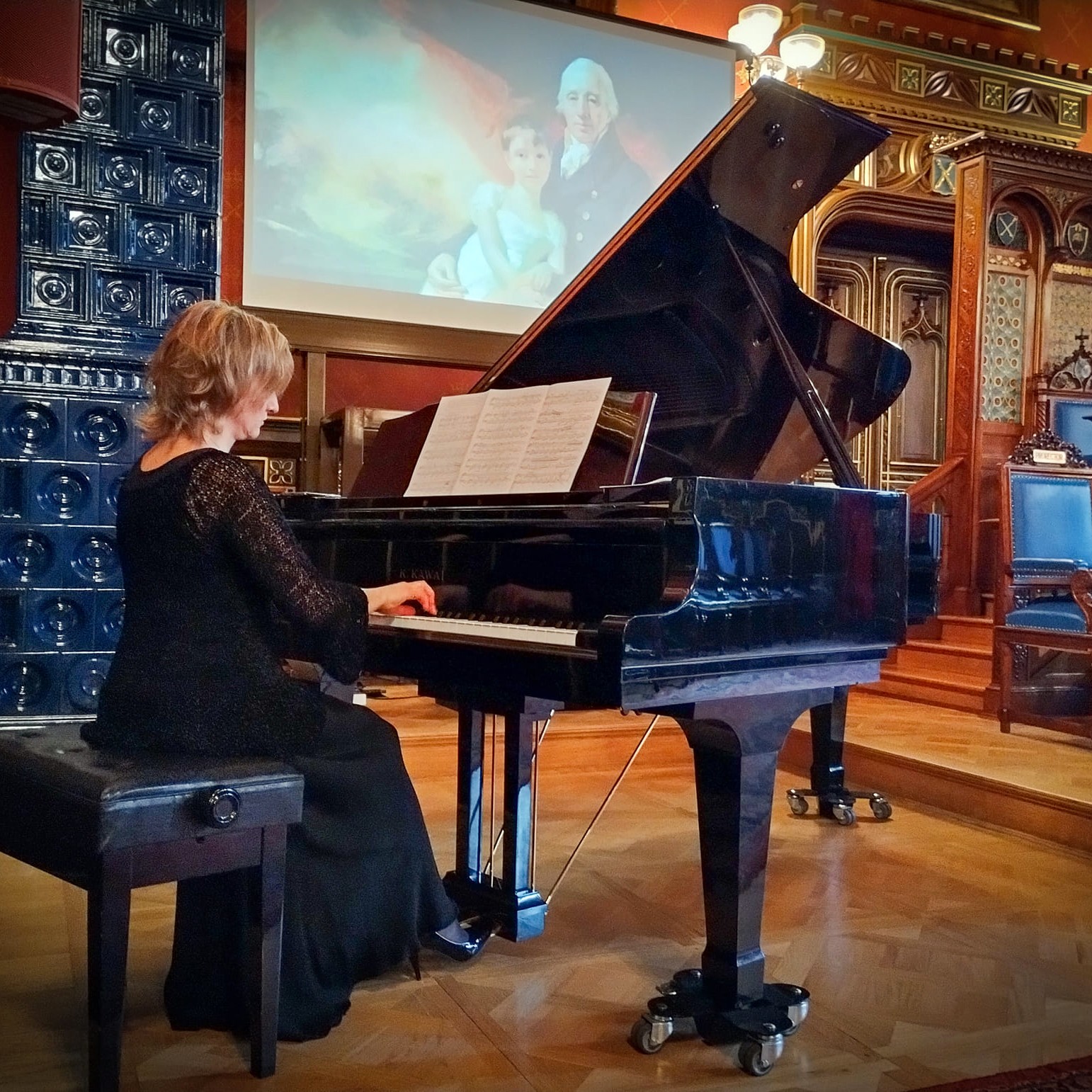
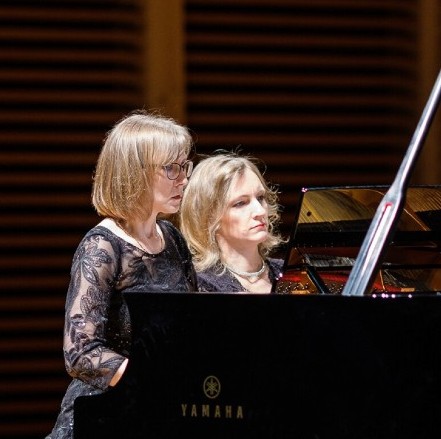
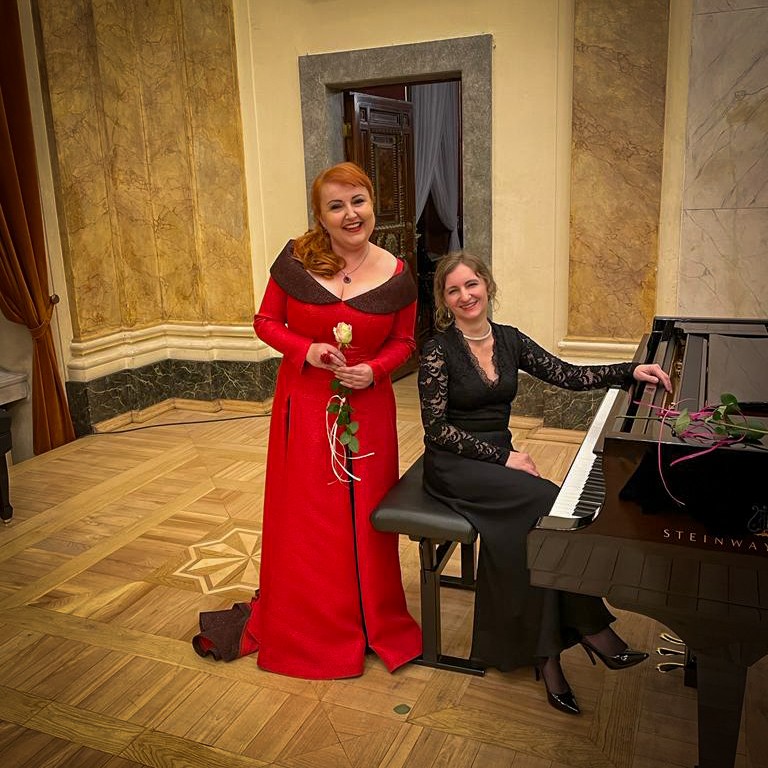
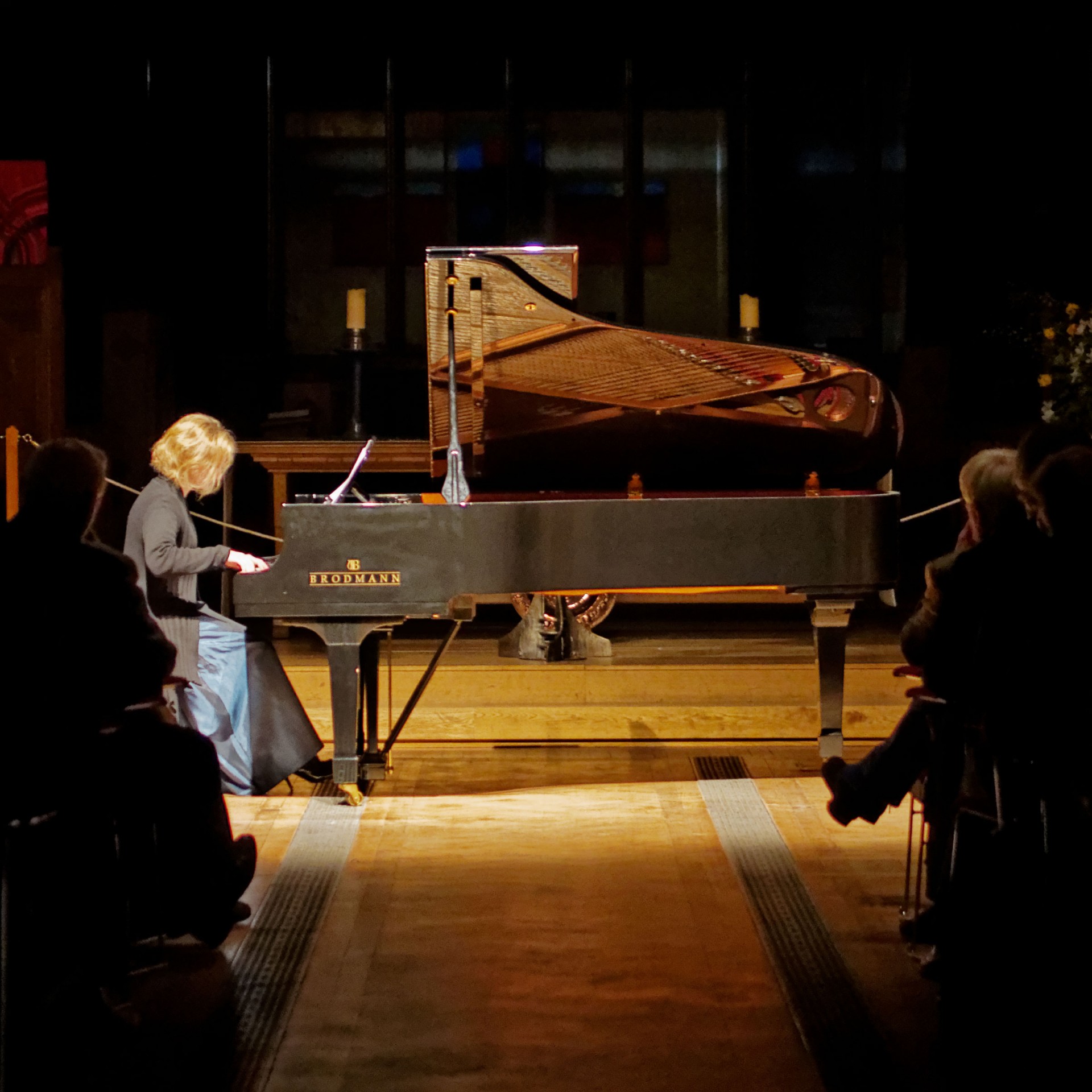
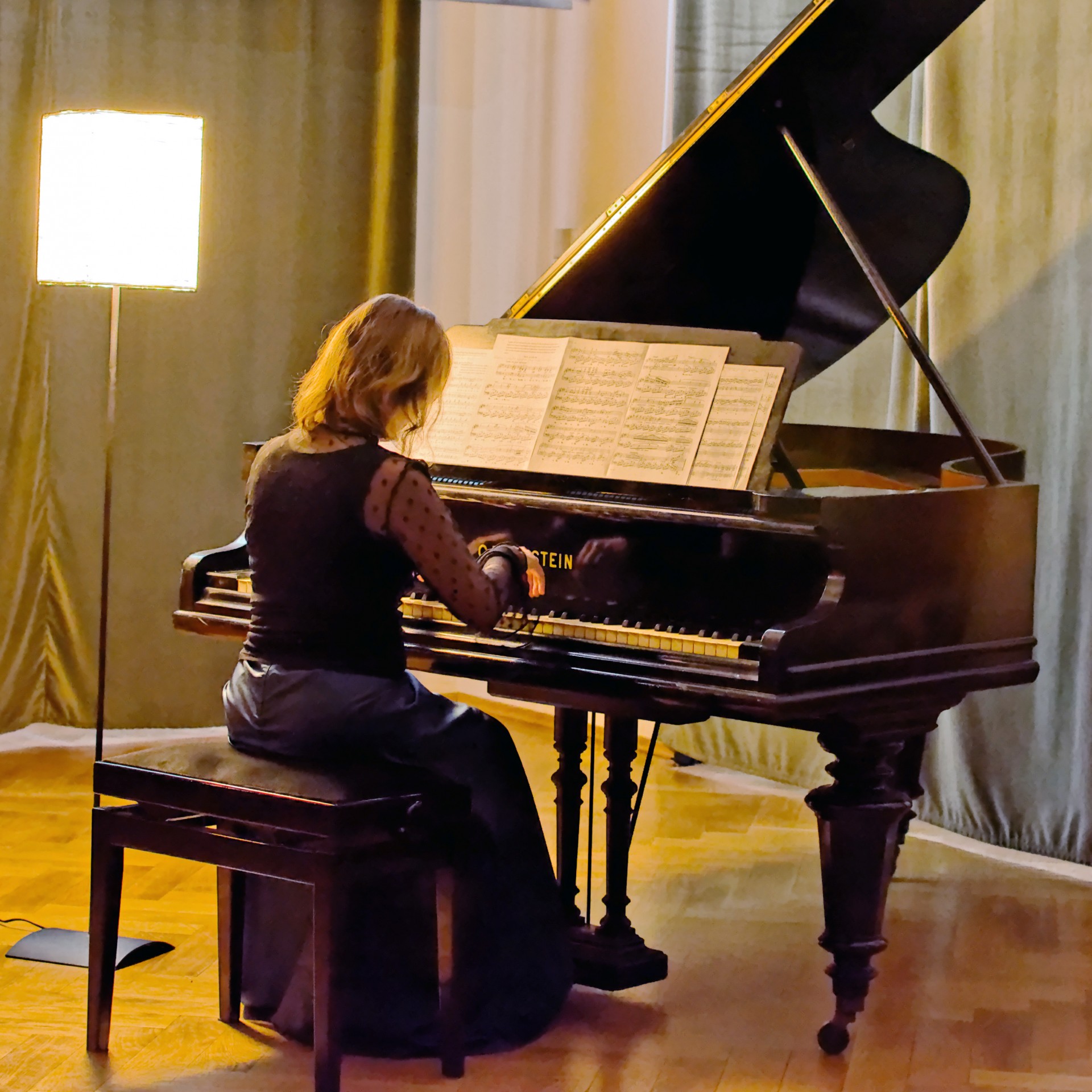
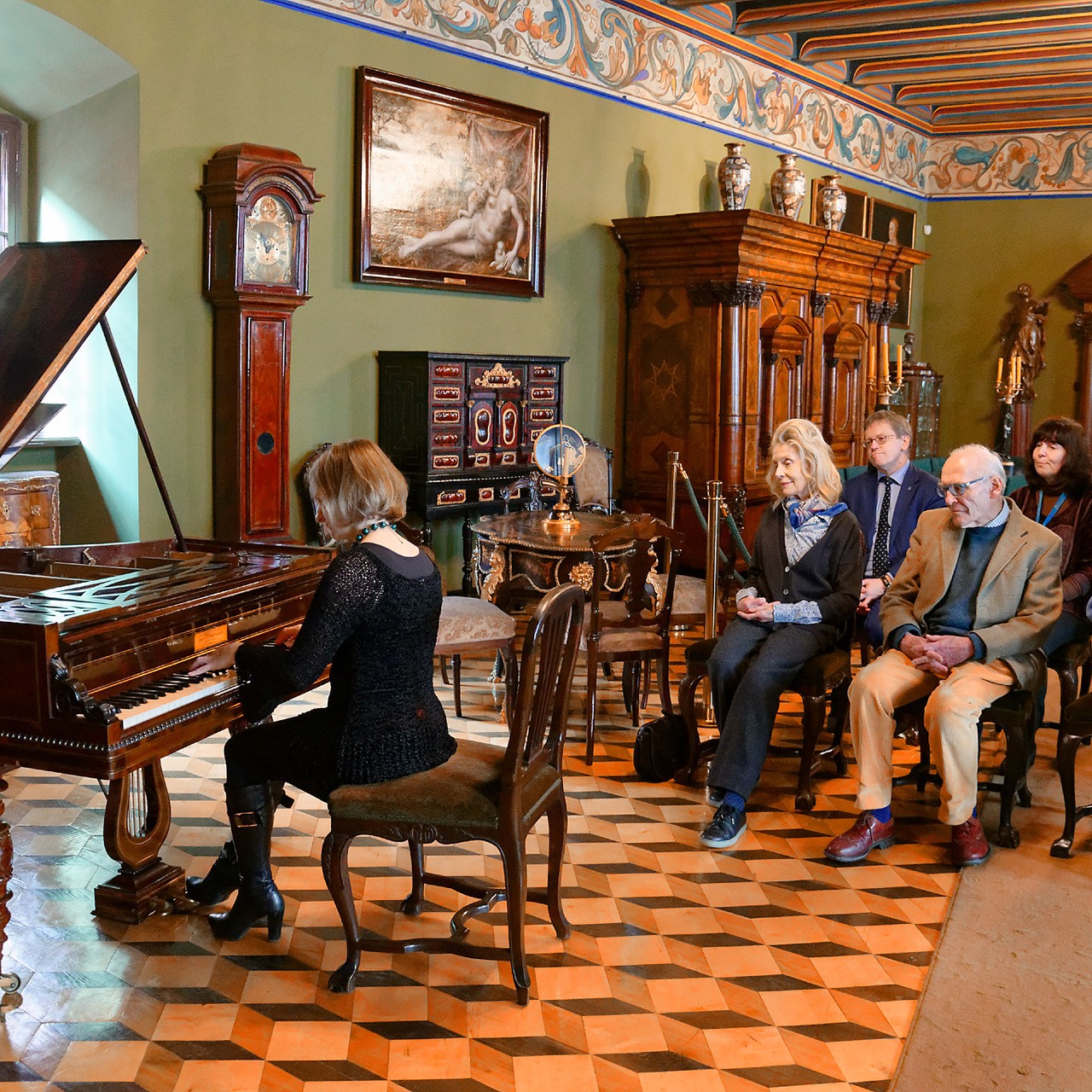
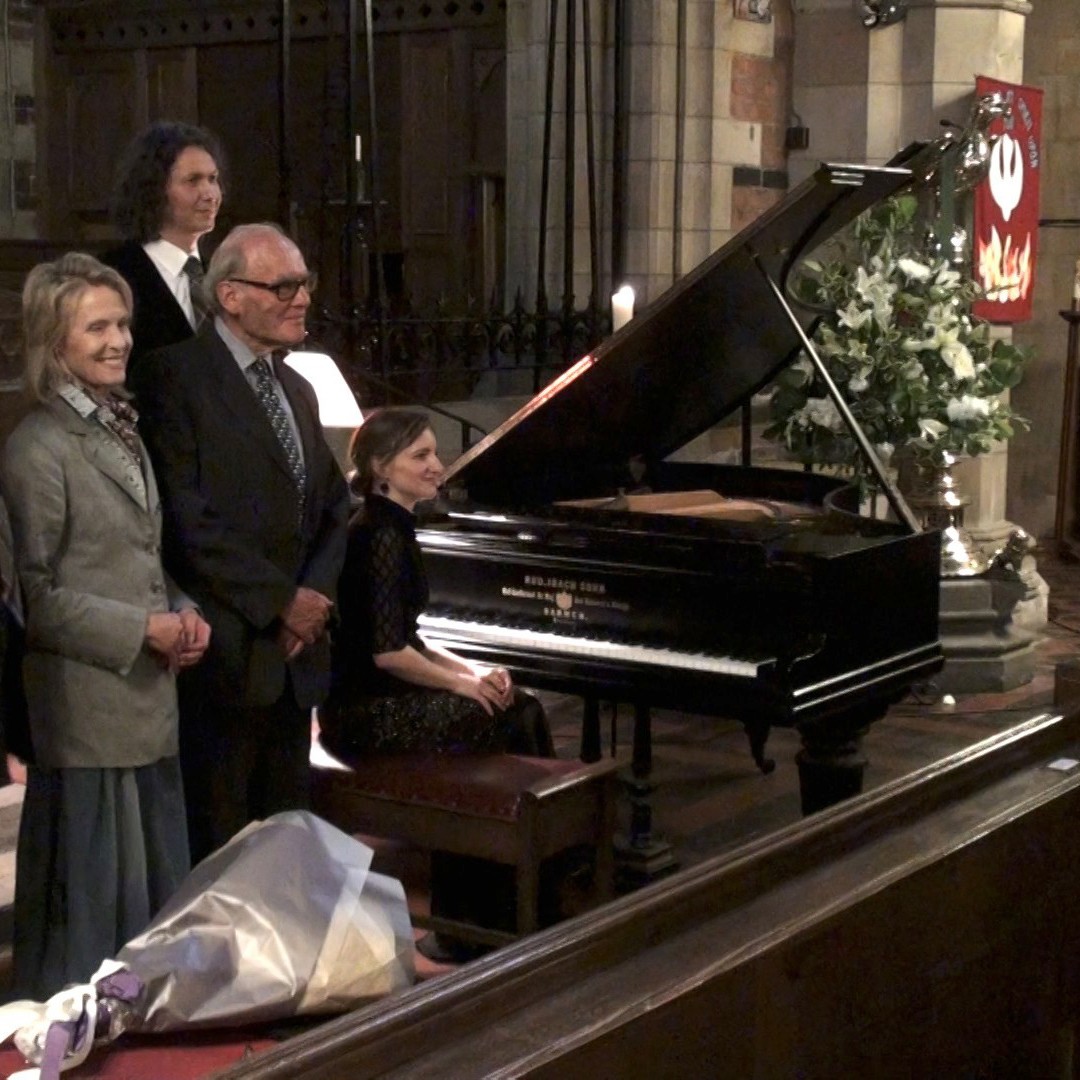
Anna celebrating 40 years of prof. Andrzej Pikul
By Marcin Jaroszek
/ 2024-06-16
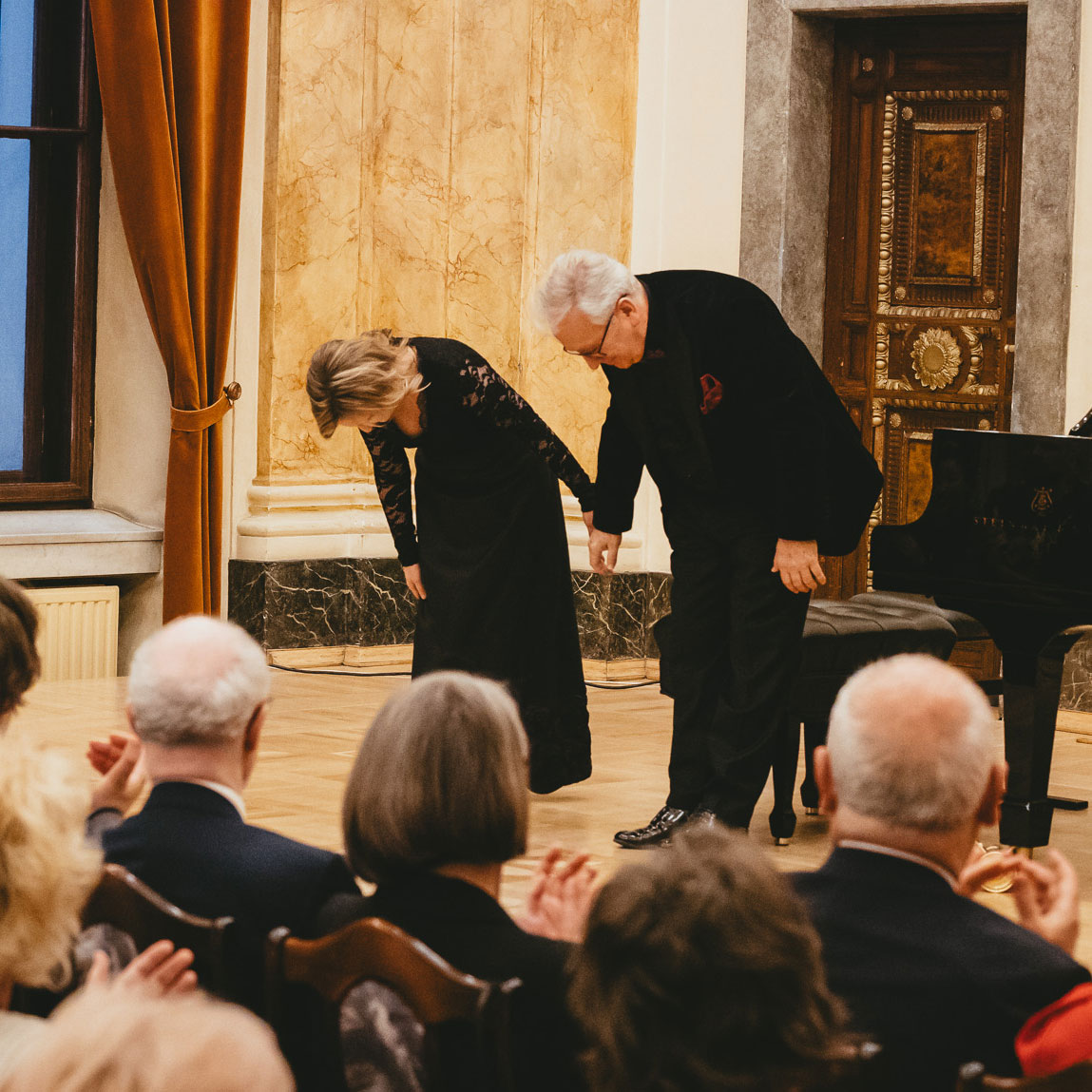
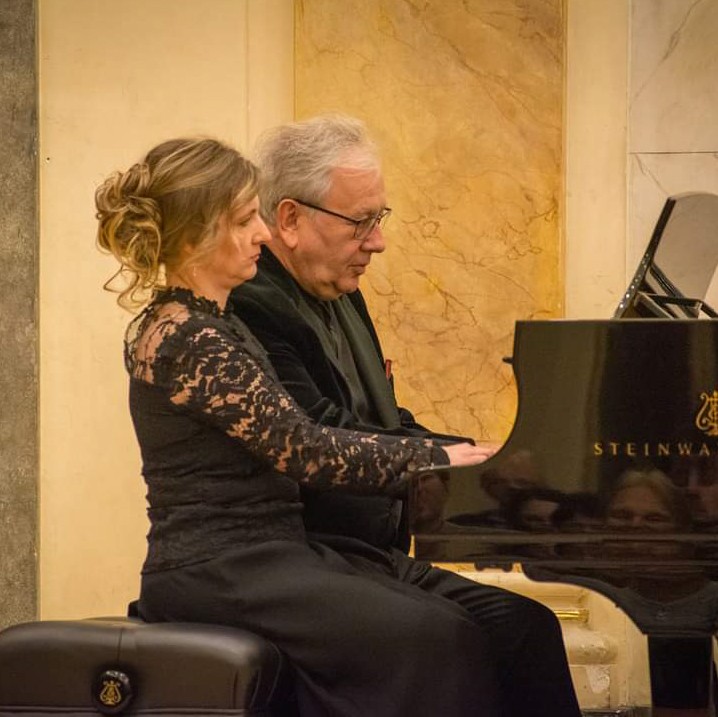
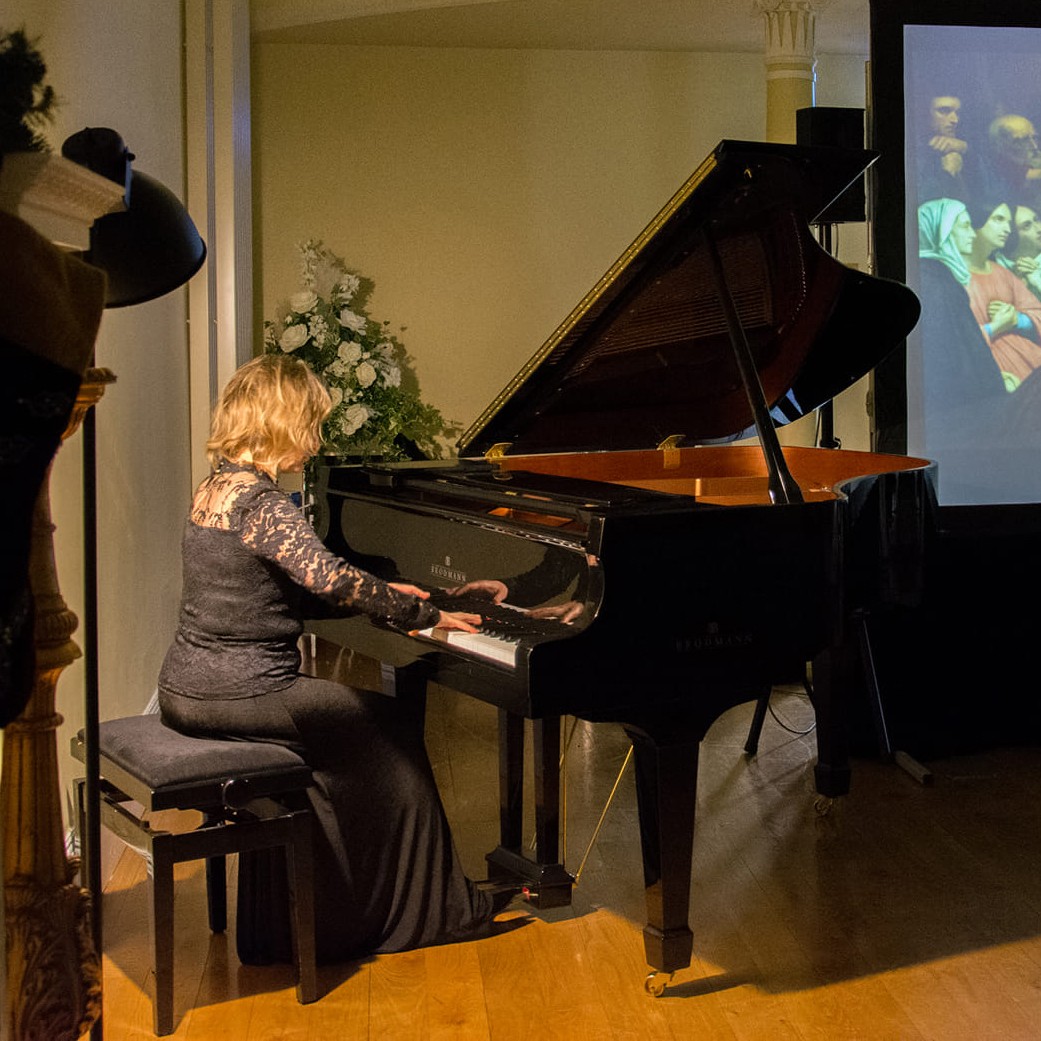
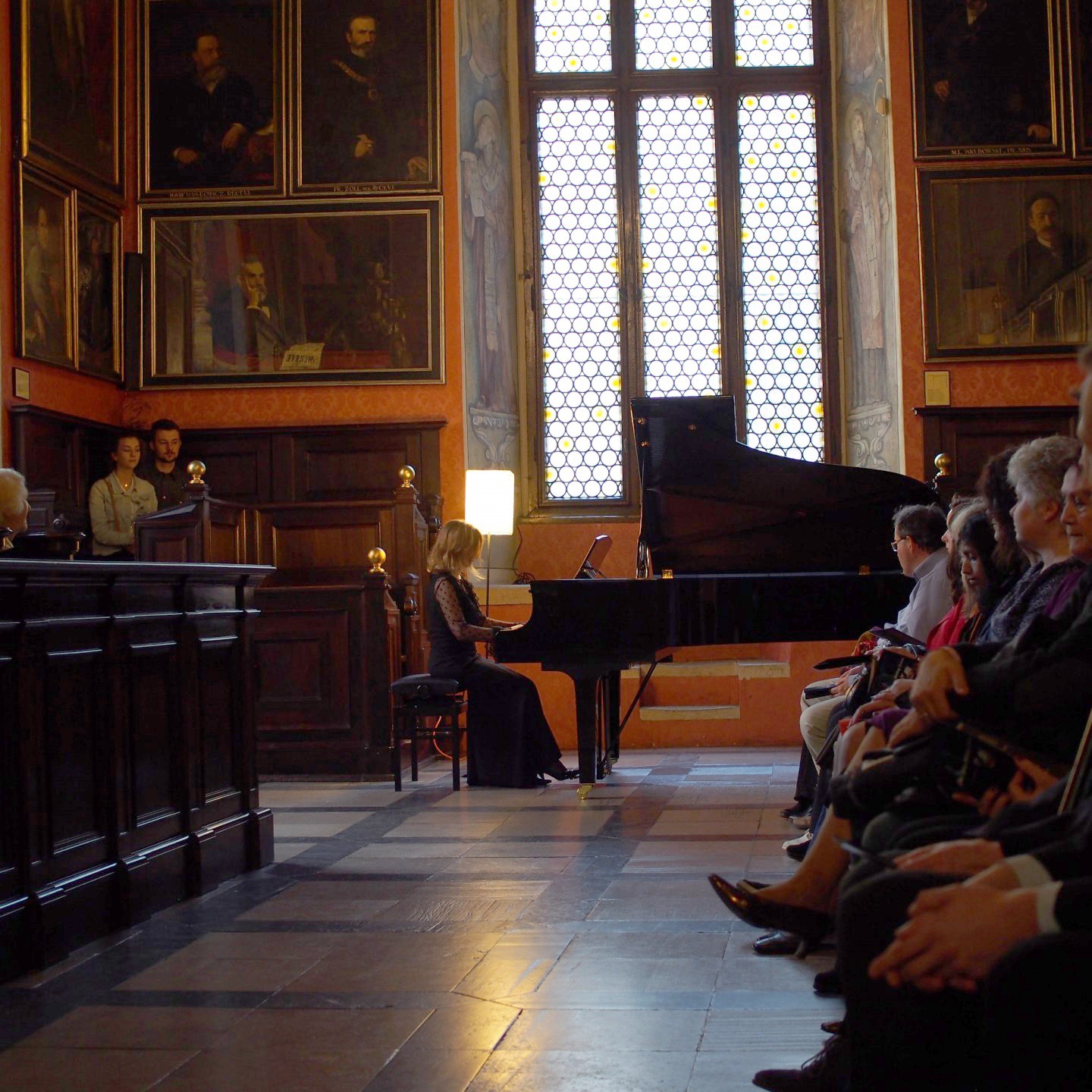
In a remarkable tribute to the distinguished pianist and pedagogue, Prof. Andrzej Pikul, two concerts were held on April 26...
Read More


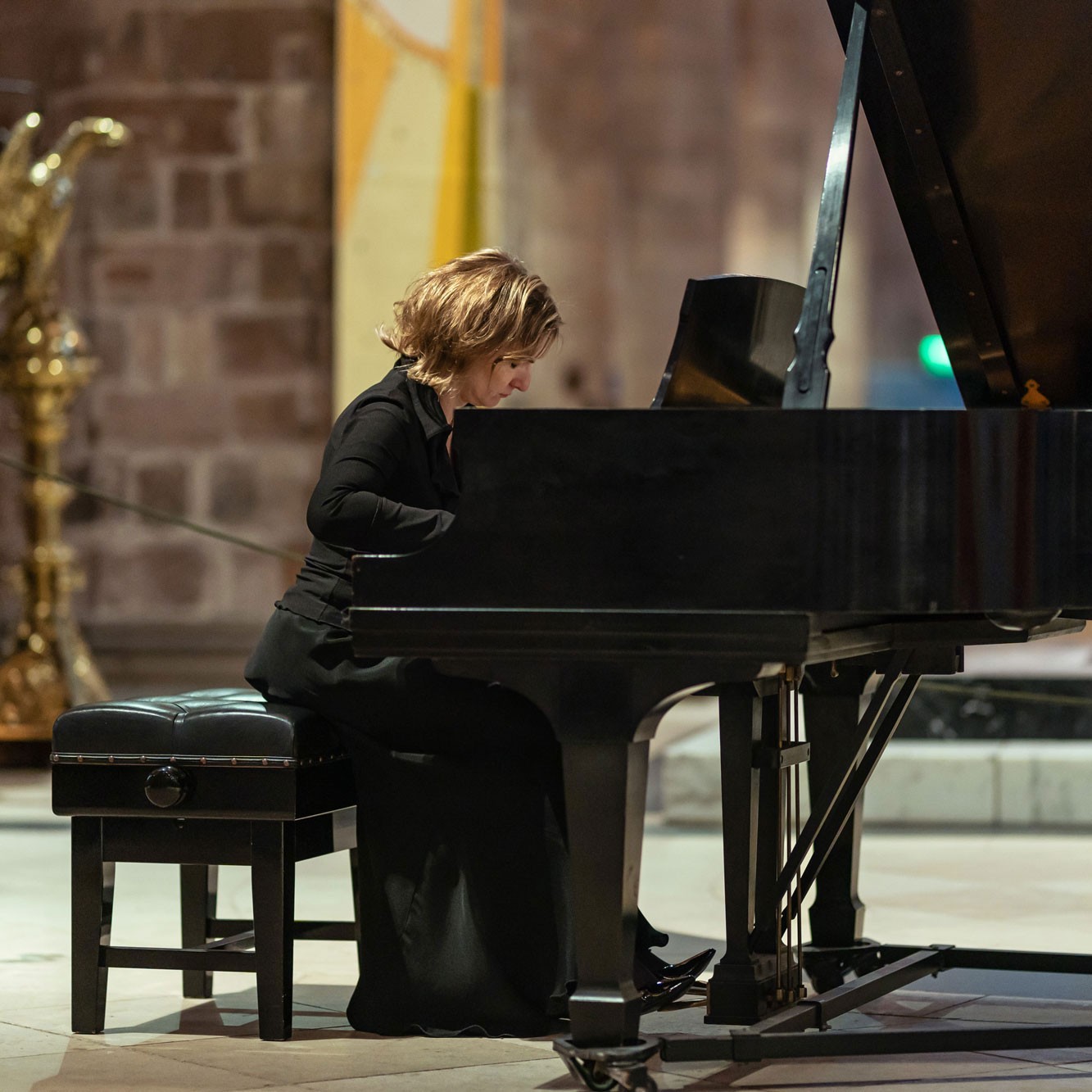
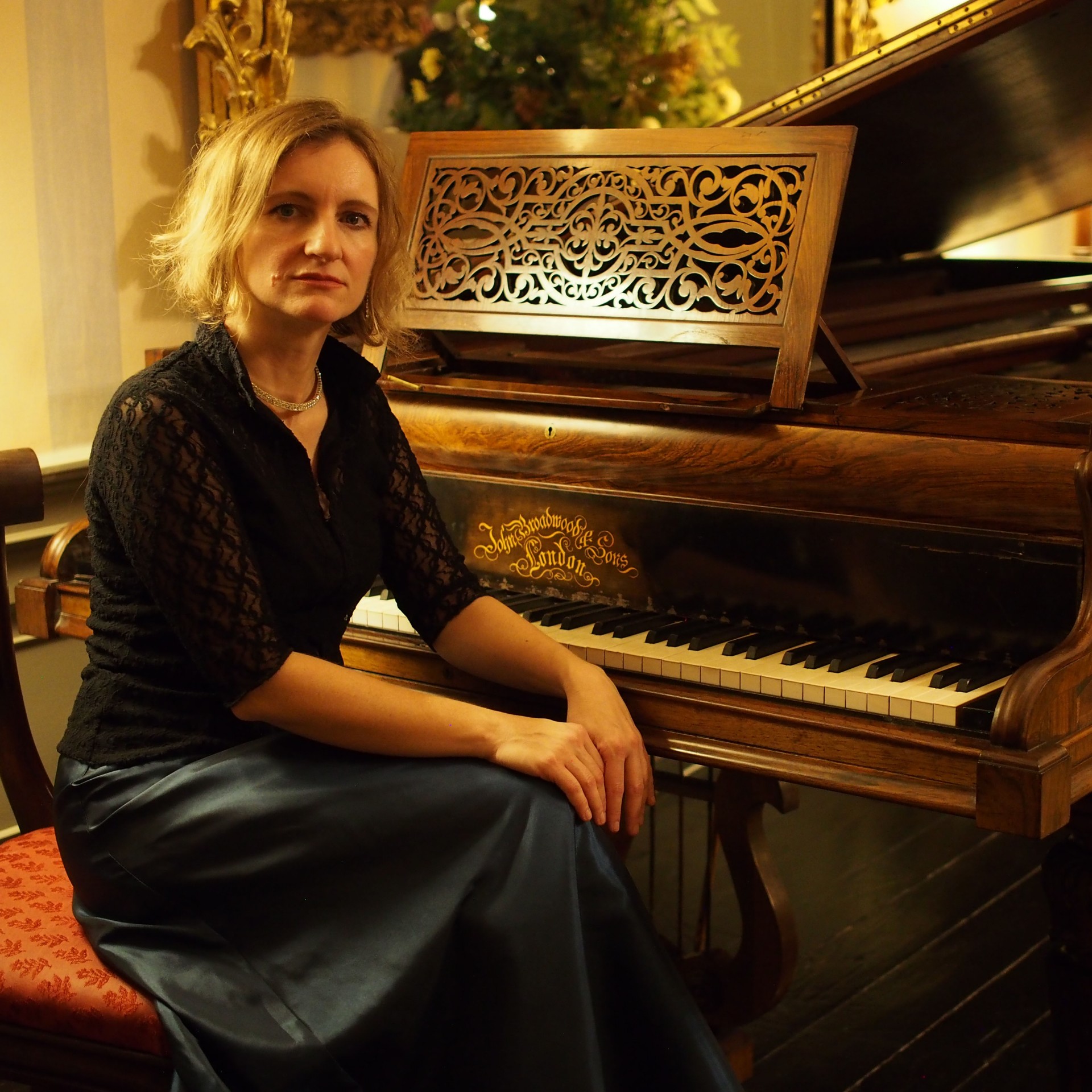
Anna Dębowska graduated with honors from Kraków Music Academy in the piano class of prof. Andrzej Pikul in 1997 and then in 2005 earned the degree of Doctor of Musical Arts and her post-doctoral degree in Musical Arts in 2013. In 1996 and 1997, she won the Tadeusz Żmudziński piano competition (first prize and special prize for the performace of Mazurkas by K. Szymanowski).
She has given performances in Poland, Germany, the Netherlands, Sweden, the UK, and the USA, including appearances with Krakw's Radio Symphonic Orchestra and the Tarnów Chamber Music Orchestra. As an accompanist, she has worked with a number of reputable pedagogists in their master classes, e.g. prof. Alison Pearce (London), prof. Christian Elßner (Drezden), prof. Charlote Lehmann (Hannover), prof. Ryszard Karczykowski, and prof. Helmuth Rilling (in Internationale Bachakademie Stuttgart).
Anna's repertoire includes compositions from Baroque to contemporary music, both solo and chamber music works, including compositions for violin, viola or cello, vocal works, piano trios, and a selection of opera arias and oratorial works. She successfully combines her artistic activity with the position of Assistant Professor at the Chamber Music Faculty of Kraków Music Academy. Her latest albums include piano chamber music by a Belgian composer - Joseph Jongen - one of those individuals that have so undeservedly drifted into oblivion and Chopin the Undgrateful, as part of the Jane Stirling Project.
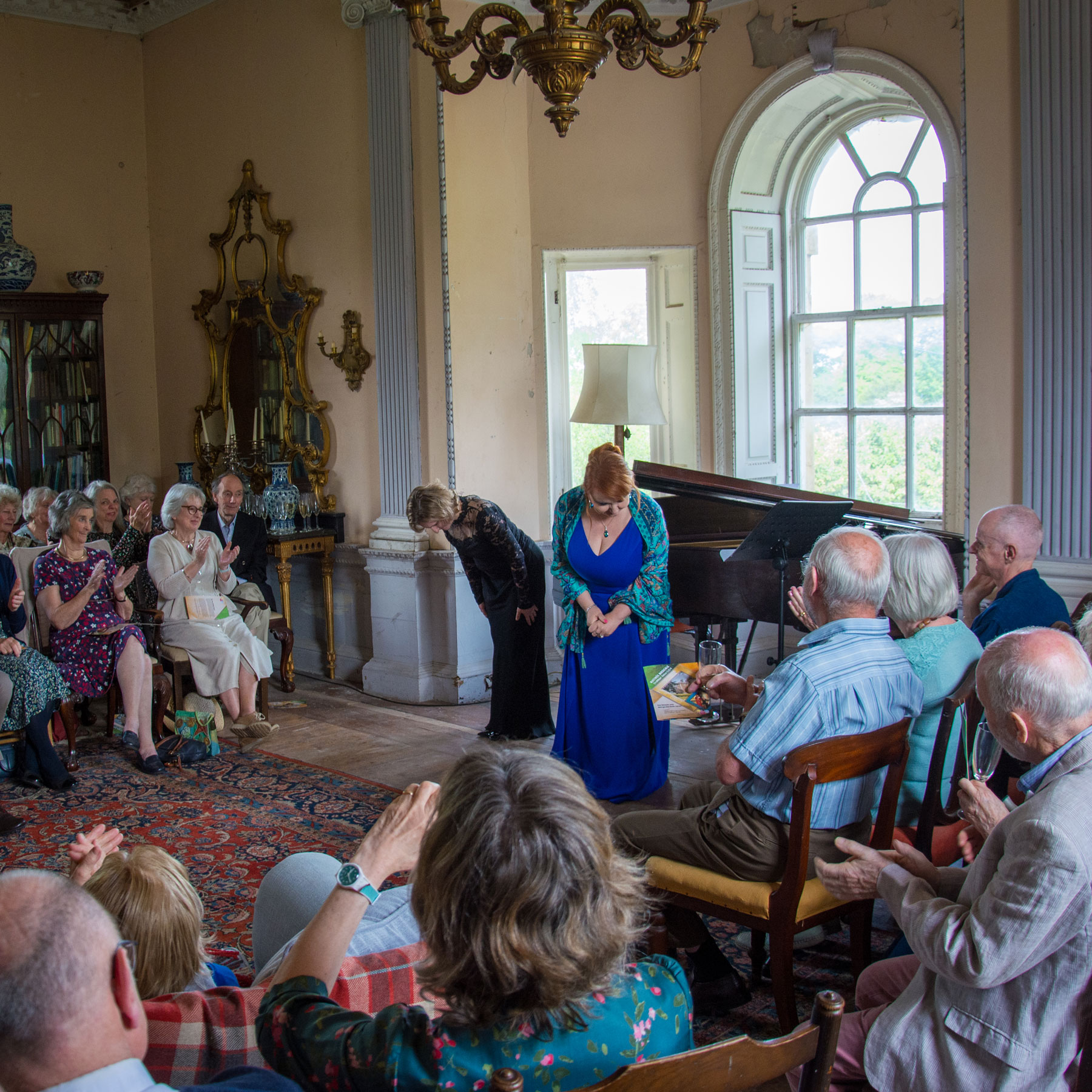
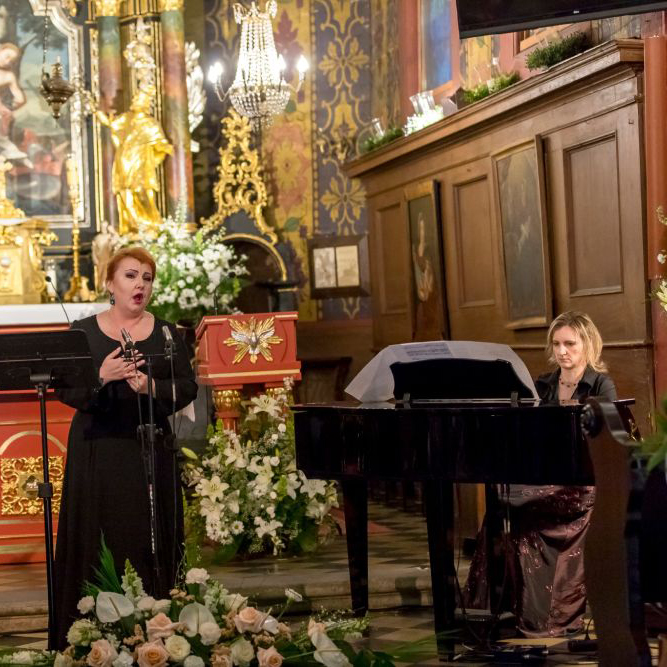
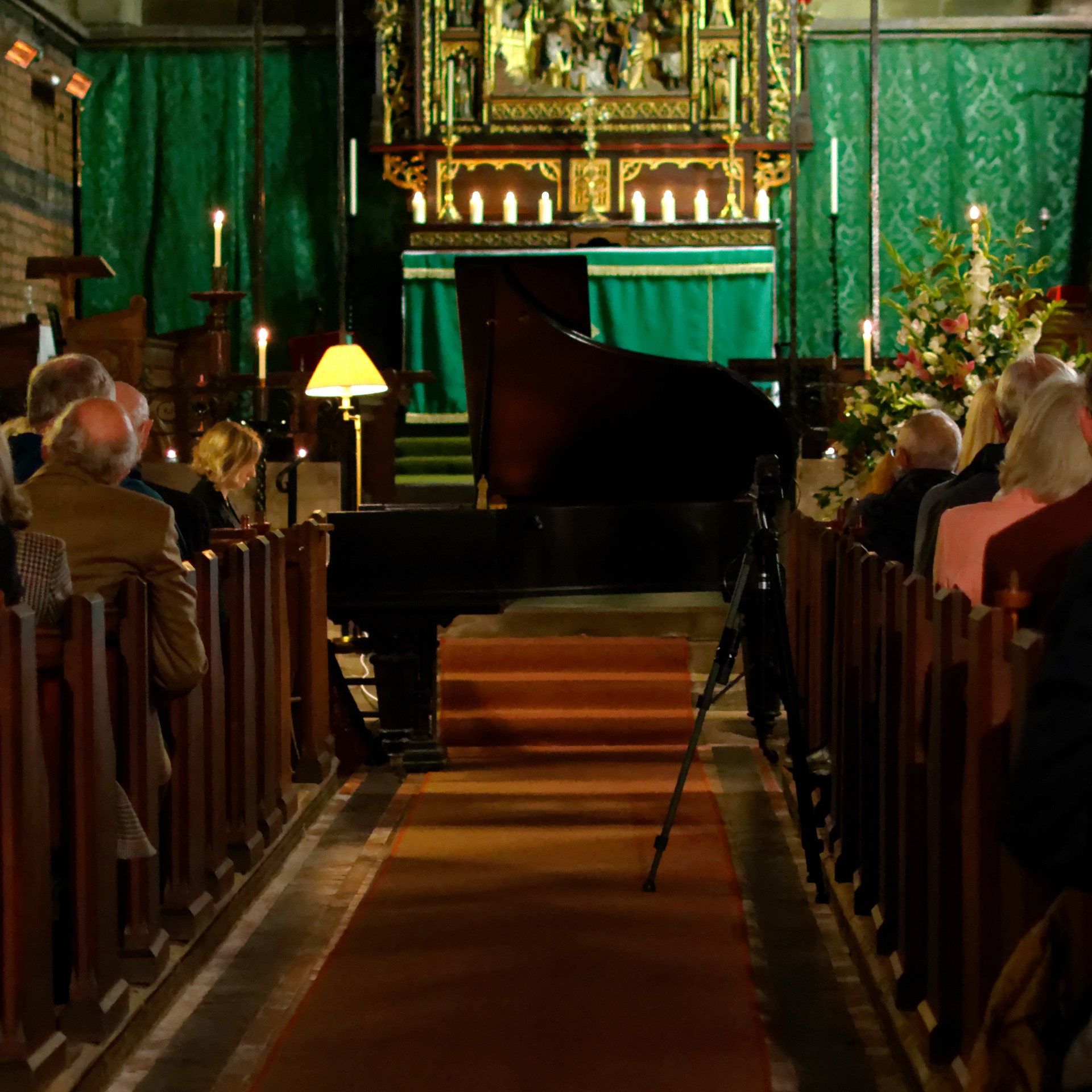
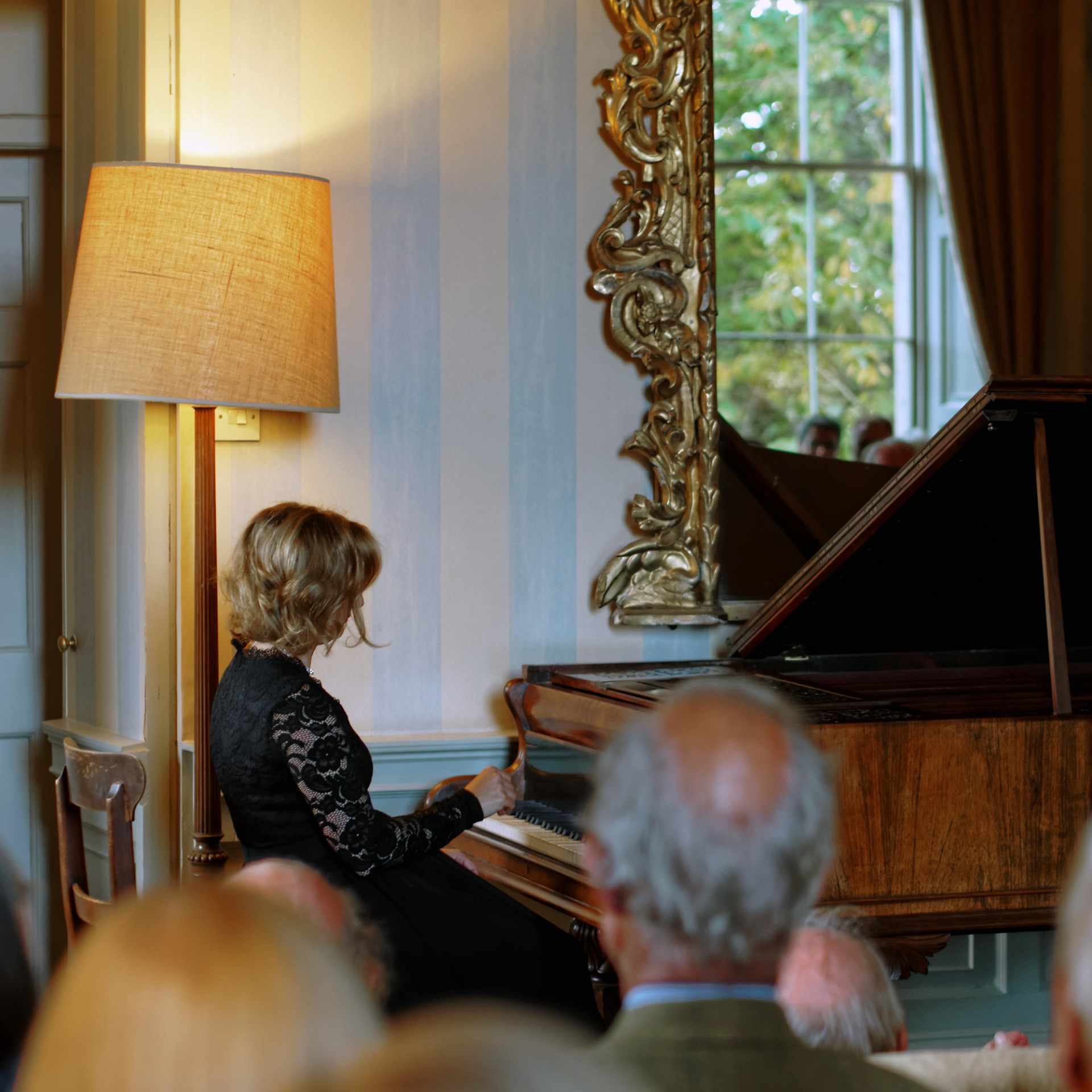
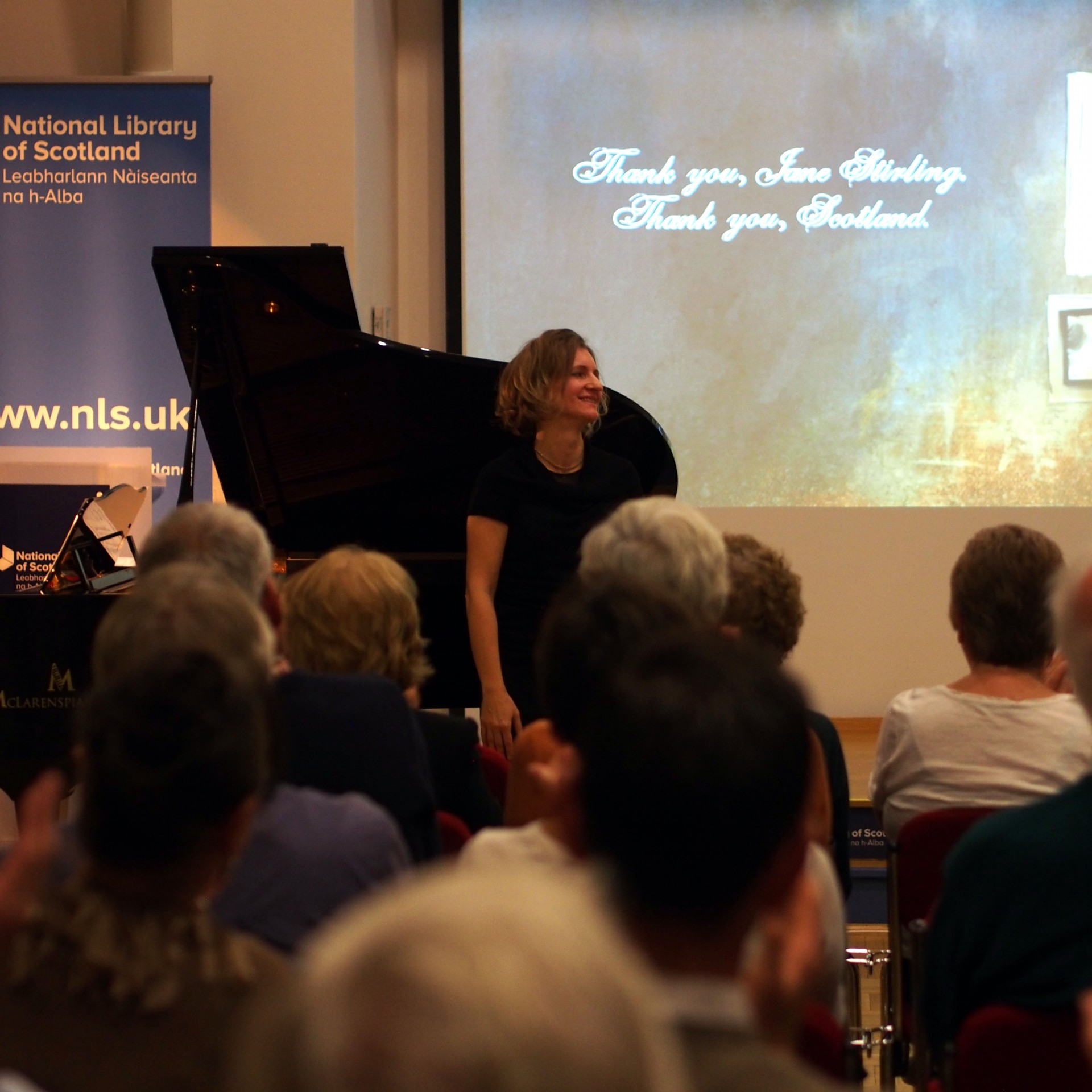
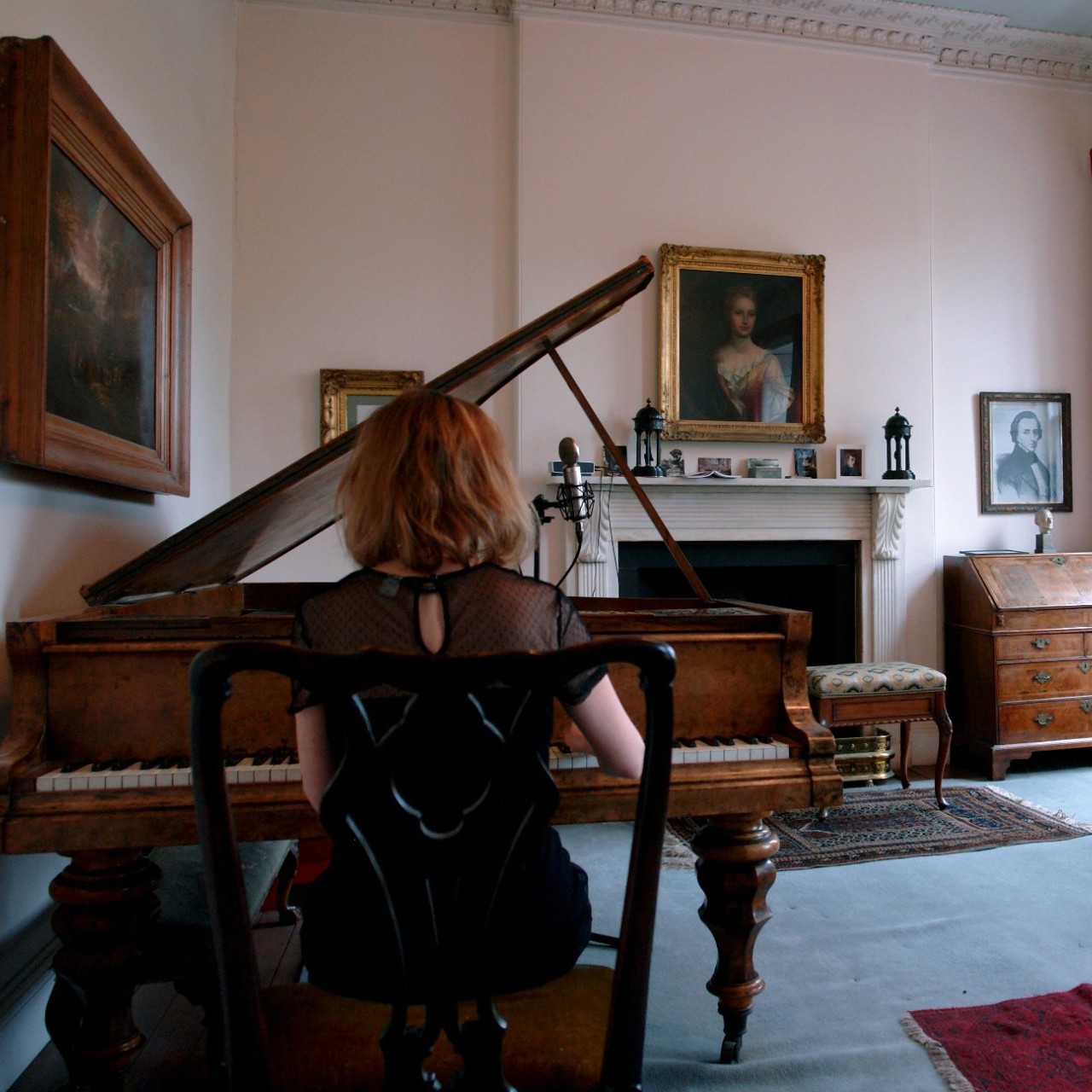
On 12 May 2024 in Drummohr House, Scotland, Anna Dębowska and Poland’s soprano Katarzyna Oleś-Blacha restaged the concert F. Chopin originally gave on 7 July 1848 at the residence of Lord Falmouth, London. The audience at Drummohr House more than appreciated the performance, rewarding the musicians with a deafening standing ovation. Thus, Anna, as part […]
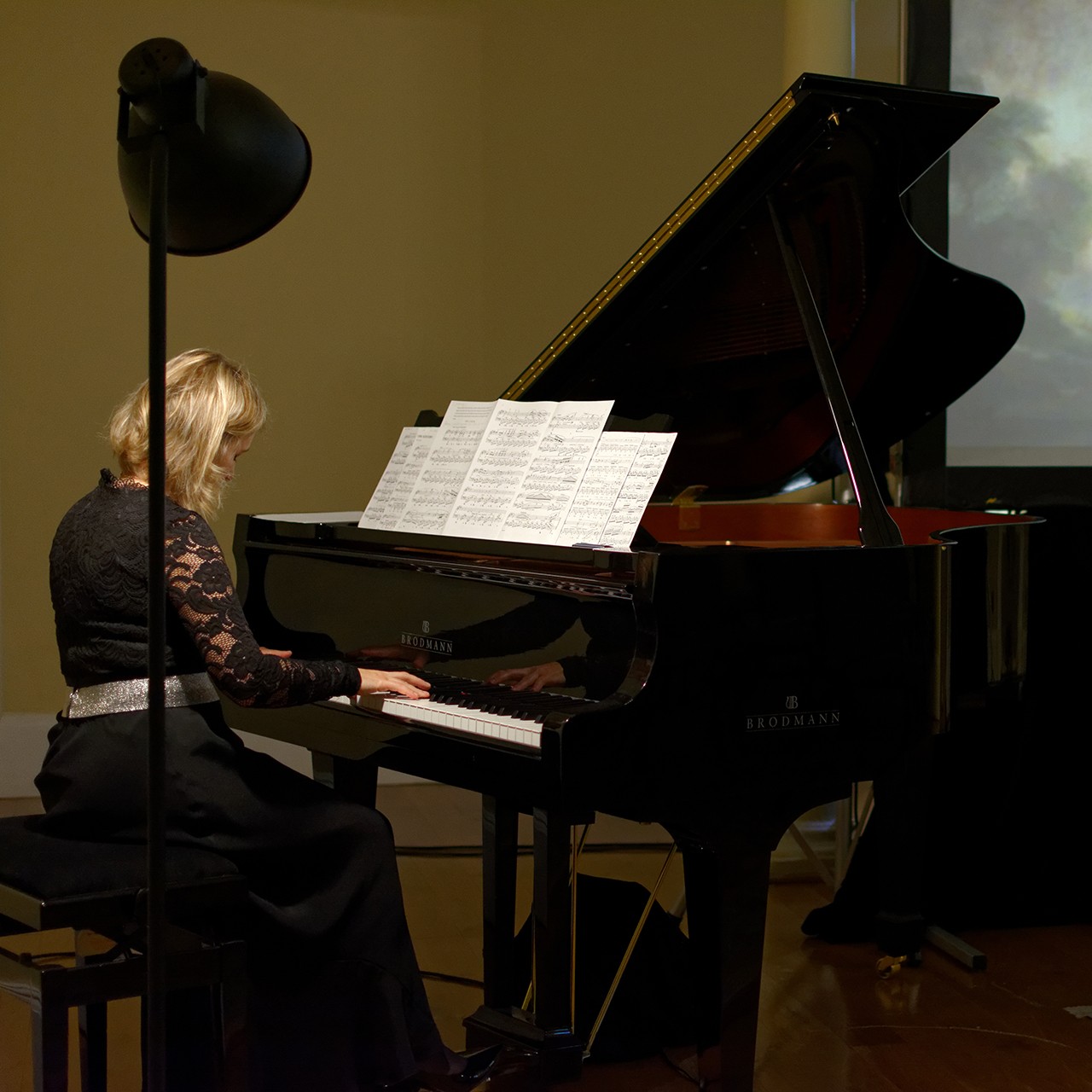
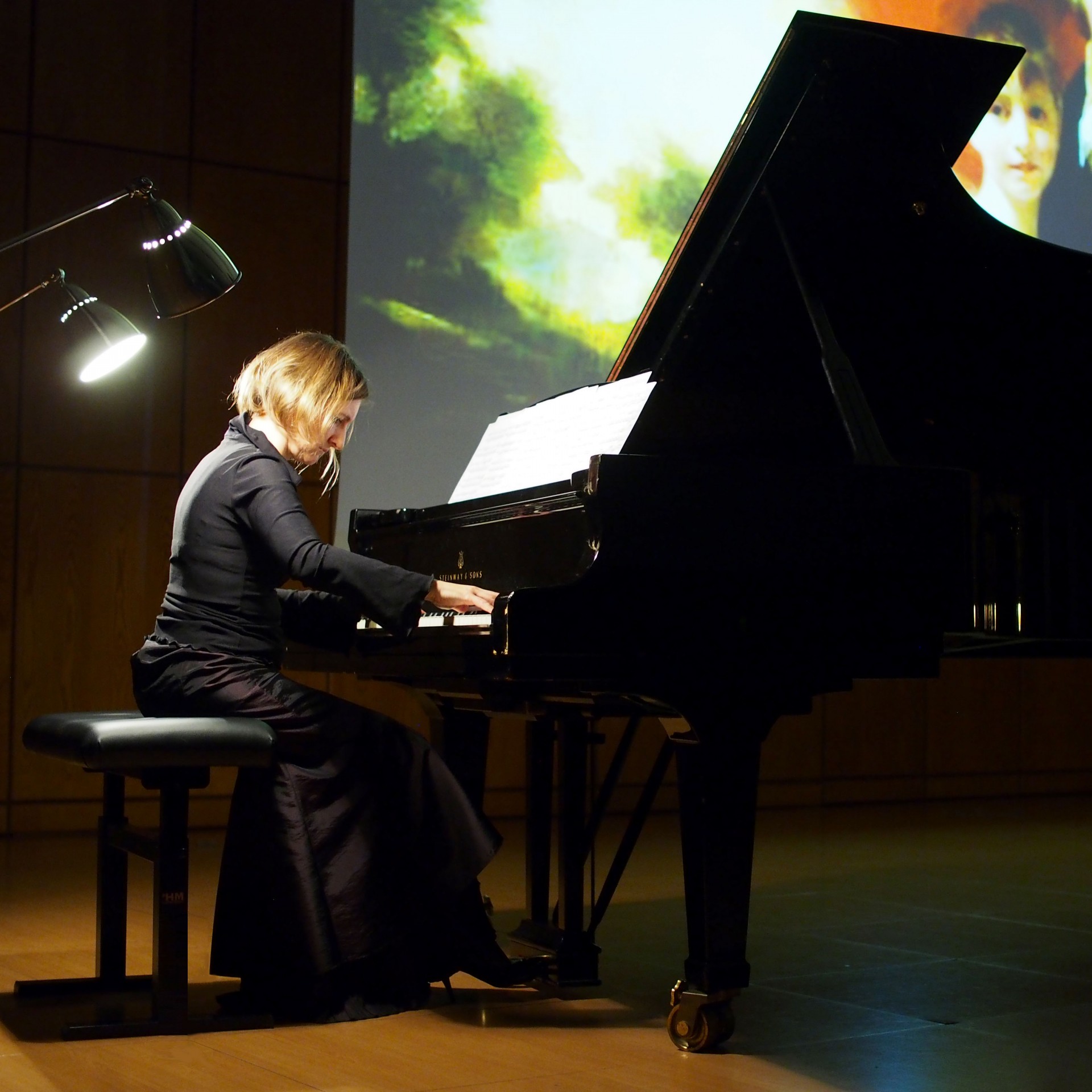
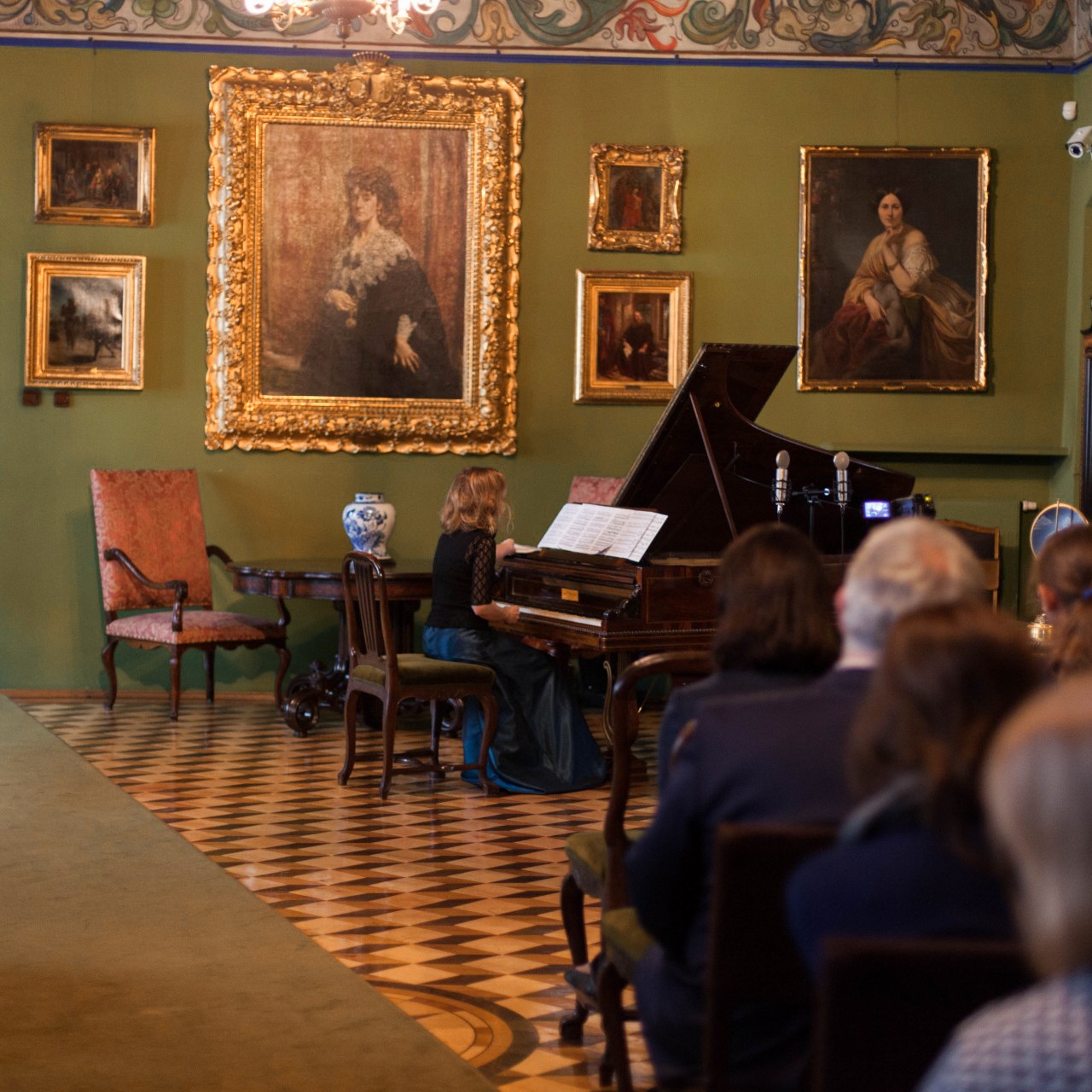
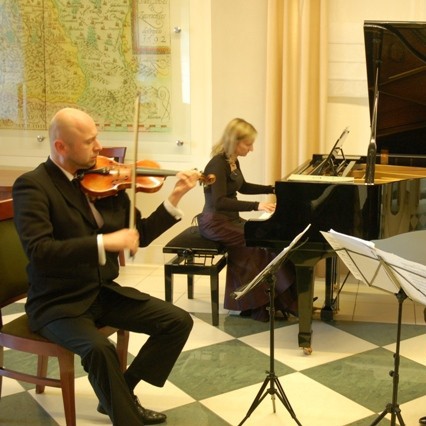
A concert featuring Brahms’ piano chamber music performed by Anna Dębowska alongside three other musicians in Krakow’s concert hall Florianka. The evening was a beautiful showcase of classical music, with each performer demonstrating incredible skill and passion for their craft.
Joseph Jongen - CD teaser
taken from Joseph Jongen - Piano chamber music, 2015
F. Chopin - teaser
taken from Chopin the Ungrateful 2016
Szymanowski - Mazurkas op. 62
live performance, Kraków, March 2002
 Chopin the Ungrateful
Chopin the Ungrateful. A CD by Anna Dębowska, as part of our Chopin the Ungrateful project, was released in April 2016. It is a concept album, structured thematically, and as such consists of four parts: Part One – For Frédéric Chopin – includes three works that Jane W. Stirling practiced under the supervision of Chopin: Polonaise in C sharp minor op. 26 No. 1, Nocturne in F major op. 15 No. 1, and Ballade in A flat major op. 47. Part Two – For Jane Stirling – includes two Nocturnes op. 55: in F minor No. 1 and in E flat major No. 2, dedicated by Chopin to his special pupil. Part Three – For Frédéric Chopin and Jane Stirling – includes a compilation of Chopin’s works (Polonaise-Fantaisie in A flat major op. 61, Nocturne in D flat major op. 27 No. 2 and…
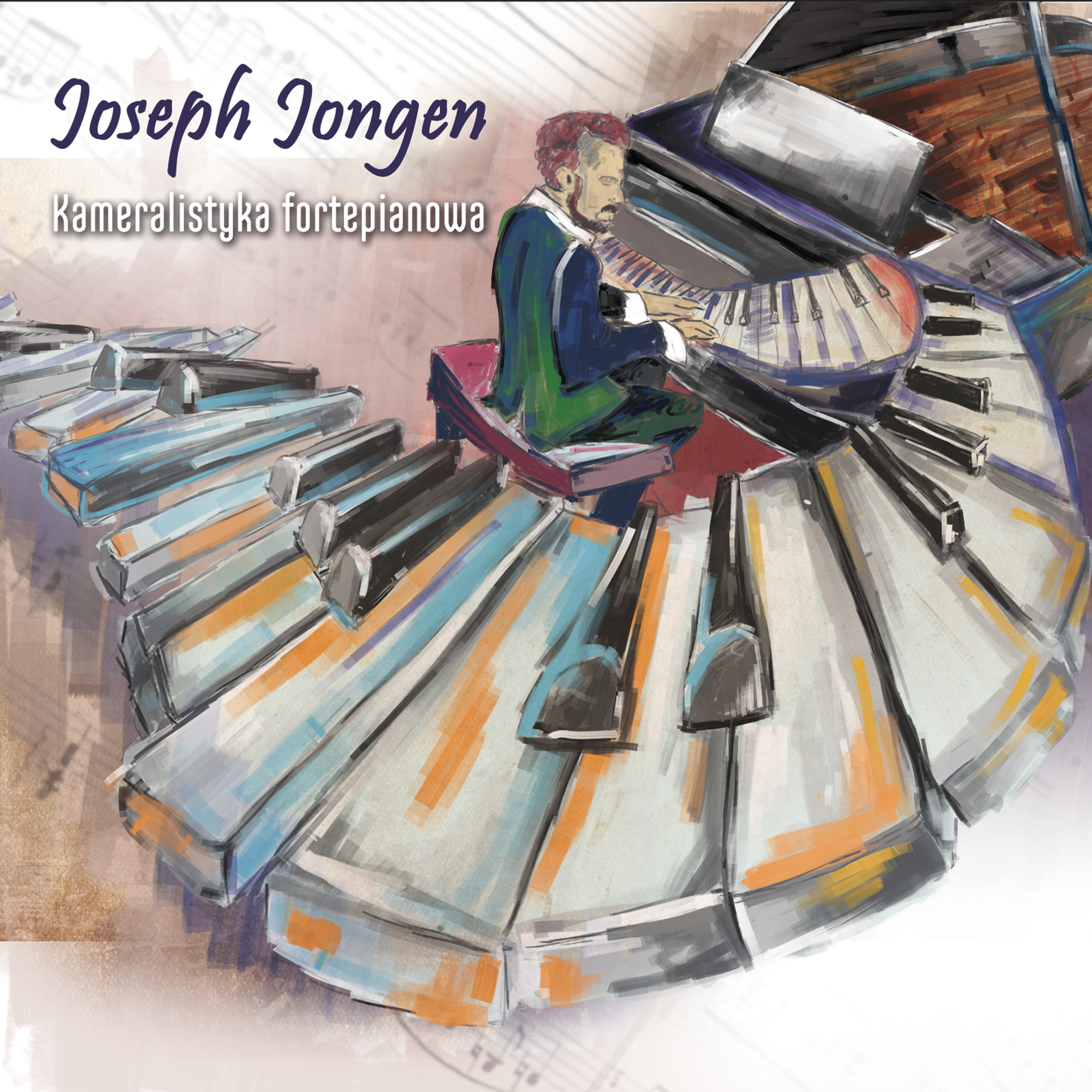 Joseph Jongen’s piano chamber music
Jongen’s piano chamber music is an audio recording of his selected works: The Trio , chronologically the earliest of the described works, shows an early trend in Jongen’s artistic activity, when the young composer, still a student at Liege conservatory, sought his own musical identity, naturally drawing upon the experiences of his great predecessors. This composition represents a current strongly linked to the tradition, both in relation to form and the harmonic devices applied. Stylistically, Trio is close to German post-Romanticism as well as the earlier French school. It shows the composer’s predilection for connecting a simple, diatonic melody with more chromatic fragments. The uncommon melodic creativity, harmonic abundance, and the intensity of sound…